
Lower cooling costs in summer
Reflective foil at the roofline cuts radiant heat transfer, reducing the need for air conditioning and lowering energy bills during heatwaves.
Mernda Roof Insulation
Foil-faced sarking and blankets installed under tiles or metal sheeting in Mernda to reflect radiant heat and reduce summer heat gain through the roof.
Share your details and Expert Insulation Melbourne will contact you about Roof Insulation in Mernda.
Roof insulation sits at the roofline under tiles or metal sheeting to block radiant heat before it enters the roof space. In Mernda’s hot dry summers with northerly heatwaves, this is the most effective way to cut summer heat gain and ease the load on air conditioning. We install foil-faced blankets and sarking that reflect up to 97 percent of radiant heat, keeping living areas cooler without relying solely on bulk insulation in the ceiling.
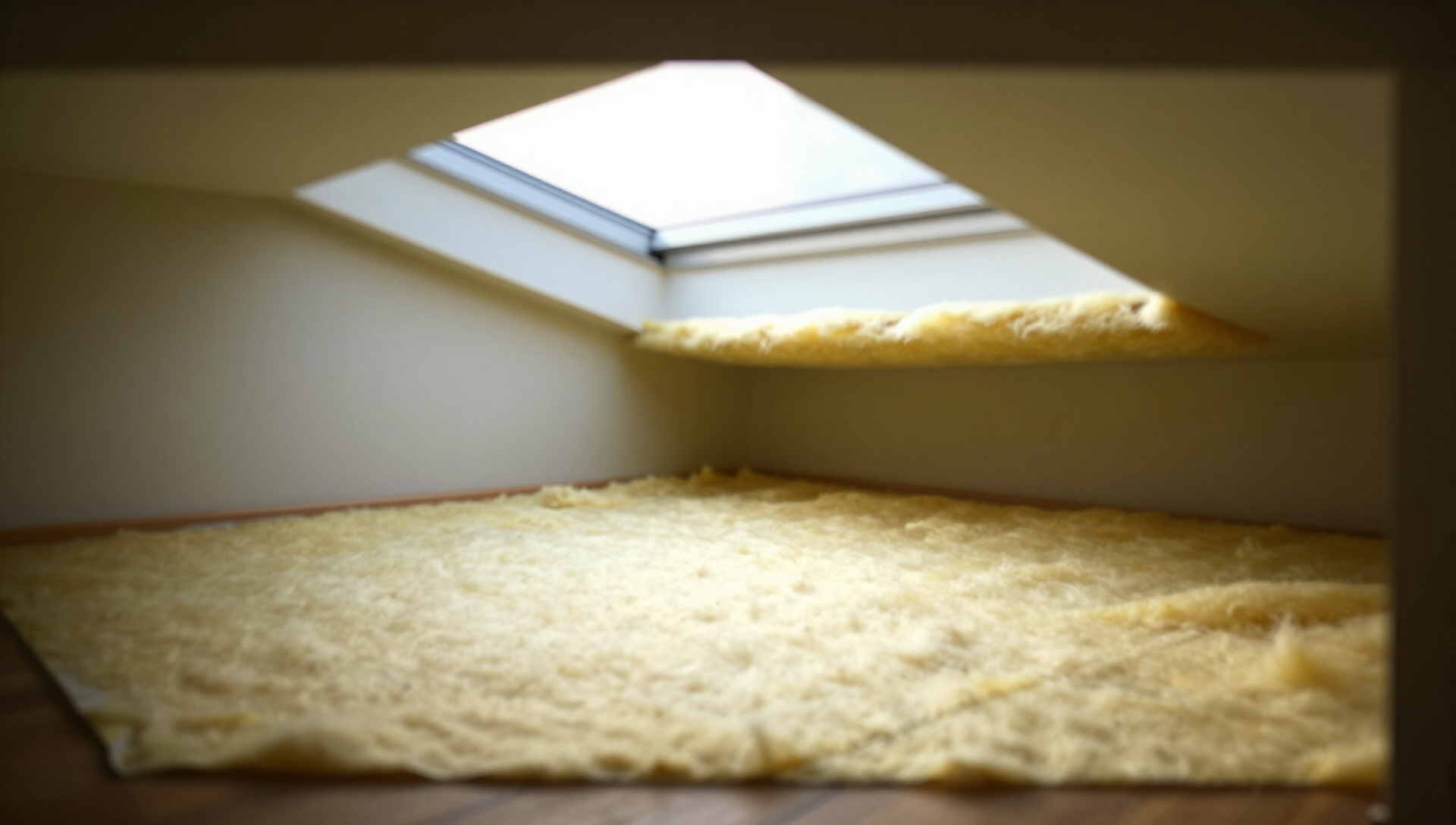
Mernda’s newer estates often have colourbond or tiled roofs that absorb heat quickly. Without a reflective layer at the roofline, that heat radiates down into the roof space and through the ceiling, pushing up cooling costs. Roof insulation addresses this directly by reflecting heat away before it can penetrate the home.
Reflective foil at the roofline cuts radiant heat transfer, reducing the need for air conditioning and lowering energy bills during heatwaves.
By blocking heat at the source, rooms under the roof stay cooler, especially in homes with raked or cathedral ceilings where heat builds up quickly.
Less heat entering the roof space means ceiling batts retain their effectiveness longer and are not subjected to extreme temperatures that can degrade them over time.
Extreme temperature swings can cause expansion and contraction in roofing materials. Reflective insulation helps stabilise temperatures, extending the life of roofing components.
Foil sarking and blankets are installed from above during roofing work or retrofitted under the roofing material, with no need to access the roof space from inside the home.
Roof insulation complements bulk ceiling batts by stopping heat before it reaches them, improving overall thermal performance without replacing what is already in place.
Installing roof insulation requires access to the roofline and careful handling of reflective materials to maintain their performance. We follow a structured process to ensure the foil remains effective and the roof remains weathertight.
We assess the roof type, pitch and existing materials to confirm suitability for foil sarking or blankets. Access from the roof exterior is required, and we check for any damage or moisture issues that need addressing first.
Foil sarking or blankets are measured to fit between rafters or under battens, with overlaps sealed with foil tape to maintain a continuous reflective barrier. Gaps or tears reduce effectiveness, so precision is critical.
Reflective insulation must have an air gap on at least one side to work. We secure the foil with staples or battens, ensuring it is not compressed against other materials, which would reduce its ability to reflect heat.
All edges, joins and penetrations such as vents or pipes are sealed with foil tape to prevent heat leakage. This also helps manage moisture and dust in the roof space.
Mernda’s post-2000 estates feature modern homes with colourbond or tiled roofs that are prone to absorbing heat. Without a reflective layer at the roofline, these homes can overheat quickly during summer. Roof insulation is particularly effective here, as it targets the main source of heat gain before it enters the living space. Nearby suburbs like Doreen and South Morang share similar housing styles and climate exposure, making roof insulation a practical upgrade for the area.
Reflective foil sarking and blankets under roofing to cut summer heat gain in Mernda homes.
Homeowners in Mernda often ask how roof insulation differs from ceiling insulation and whether it can be added to an existing roof. Here are the key details for local properties.
Roof insulation in Mernda targets the primary source of summer heat gain by installing reflective foil sarking or foil-faced blankets directly under the roofing material. This approach is especially effective for homes with colourbond or tiled roofs, which absorb and radiate heat quickly during Melbourne’s hot dry summers. By reflecting up to 97 percent of radiant heat, roof insulation reduces the load on air conditioning and improves comfort in living areas beneath the roof.
In Mernda, many homes have raked or cathedral ceilings where the roof space is directly above living areas. Without a reflective barrier at the roofline, heat builds up rapidly and transfers into the home. Roof insulation addresses this by creating a thermal break that stops heat before it can penetrate the ceiling. This complements existing bulk insulation in the ceiling, which is designed to slow conductive and convective heat transfer rather than reflect radiant heat.
The installation process for roof insulation in Mernda requires access to the roof exterior. Foil sarking is typically installed under the roofing material during construction or re-roofing, while foil-faced blankets can be retrofitted in some cases. The foil must be kept clean, free of tears and maintained with an air gap to ensure optimal performance. For homes in Mernda, this upgrade is a cost-effective way to improve thermal comfort and reduce energy costs during the hottest months.
Reduce summer heat gain and lower cooling costs with reflective roof insulation installed under your Mernda home’s roofing. We supply and install foil sarking and blankets to suit colourbond, tile and metal roofs.